


 Settings
 Fast Delivery
 Free Shipping
 Incoterms
 Payment Types


 Marketplace Product

LightBlue Bean Bluetooth Development Board
2016-10-04 | By Maker.io Staff
The LightBlue Bean from Punch Through is a low energy Bluetooth module powered by an Arduino microcontroller. You can program the LightBlue Bean and Bean+ wirelessly from any other Bluetooth device.
The LightBlue Bean+ is an upgrade from the original LightBlue Bean, which is a much smaller version with a basic prototyping area for development, but still has the same basic features of the LightBlue Bean.
One of the key features of the LightBlue Bean family of boards is that they can be embedded into a project without the user requiring direct access. You can program the LightBlue Bean from any Bluetooth device within proximity range. This eradicates the need to start disassembling your projects to re-program or update the code in your project. Both boards also come with built-in accelerometer, on-board temperature sensors and a RGB LED for status indication. These features allow you to get tinkering straight away right out of the box.
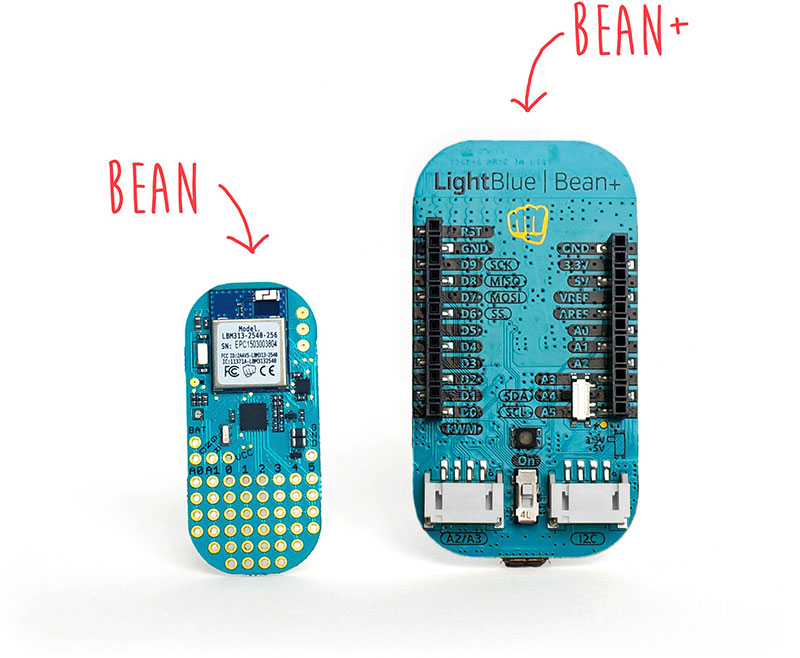
Figure 1: LightBlue Bean Family of Development Boards
LightBlue Bean
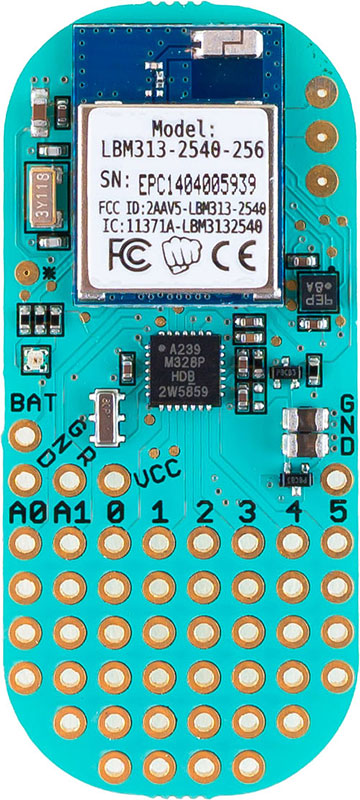
Figure 2: Original LightBlue Bean Development Board
The original LightBlue Bean development board can be powered from a single coin cell battery, which should last for days or weeks in lower power mode. The module also measures just under 3 inches long making it the perfect board for small projects or where space is limited. If the prototyping area is not needed, then this can be discarded or cut-off to reduce the board size even further.
If you're adding parts to the LightBLue Bean board then there is a nice area for prototyping and soldering your parts to the board. The board features two analog pins for connecting sensors or driving motors, as well as up to six digital pins. The prototyping area has also been designed so users can easily add headers to the board if you wish to expand the prototyping area to a larger board.
LightBlue Bean+
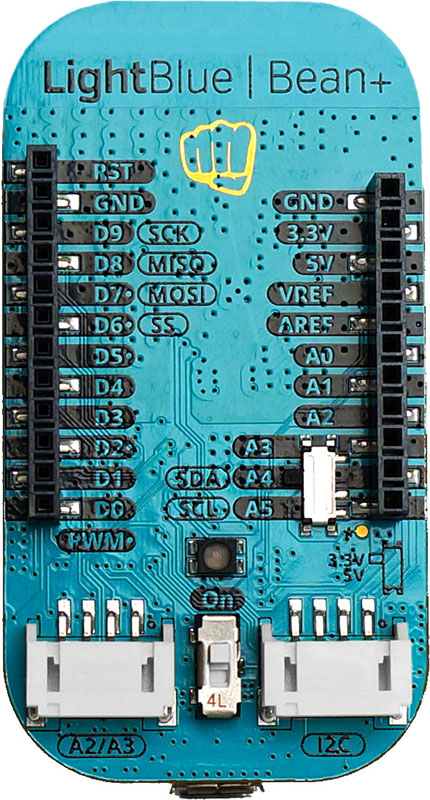
Figure 3: LightBlue Bean+ Development Board
The LightBlue Bean+ is a much larger board and comes with more features than the original board itself. The Bean+ comes with a LiPo battery and also has the ability to charge the battery as well via the micro-USB port. You can also expand the capacity of the LiPo if needed by soldering your own battery to the terminals on the board. The main feature of this board is the addition of two Grove connectors, which is a modular system designed for users with little or no electrical circuitry experience. The Grove modules are already pre-assembled and do not require any soldering. The two Grove connectors are connected to the on-board microcontroller, analog pins A2/3 and I2C.
A much welcomed addition over its predecessor is the built-in headers, making it easier for makers and hobbyists alike to build your own add-on boards for the Bean+. The Bean+ can also operate at 3.3V and 5V logic, this allows the board to talk to a diverse amount of peripherals out in the market. This is a great feature as you are not as limited as to what you can connect to the board, so sourcing parts for your project should be an easy process.
LightBlue SDK Platform
The LightBlue Bean development boards are programmed using the LightBlue Platform, which works on a number of devices such as iOS, Android, Windows and OS X. There is a comprehensive open-source SDK available allowing developers to rapidly prototype and deploy their projects commercially.
The LightBlue Platform also includes a number of Bluetooth profiles to use straight out of the box such as Bluetooth Beacons, MIDI audio profile, HID profiles for peripheral connectivity, ANCS for wearable technology and observer for device to device connectivity.
Summary
There is no doubt that the LightBlue Bean and Bean+ can be a great Bluetooth tool in the maker community. However, with the slightly heavy price tag there are some cheaper alternative modules that would also serve a great purpose i.e. the new ESP32 wireless module retails around $6 mark whilst the Bean+ is about $55 with LiPo battery. I’m sure with a little light tinkering it’s quite possible to replicate the features of the Bean family of boards on the ESP32 or any other Bluetooth module. If you are an inexperienced user and wanting to get started with Bluetooth projects, then this is definitely the right development board for you.




